
How to make a poison
How to make a poison

| I am currently making some changes to ADVANCED SEARCH that could potentially cause errors. These will be temporary and I will fix any errors as fast as I can. —> Guide to Making Poison Poisons are a rogue’s toy for death. They come in 16 different flavors. Poisons have an interesting way of deciding how much damage/results you will get with the actual poison you have. First off, is the level of the poison. We will use Contact poisons as an example. Contact Poisons currently have 4 levels of strength. Contact I, II, III, and IV. The amount of damage is decided by the level of player, and the TOP end of that is decided by the poisons level. Below is an example. The difference? The top end of the poison. Contact one tops out at 141 for a level 35 Rogue. Any level above 35 will still do 141 damage. Now, a Contact II will also do 141 for a level 35 rogue, BUT at level 36 the contact II poison will do more damage. The Contact II poison tops out at level 44, where you will have to use a Contact II to do more damage. Notice that Contact III and IV both top out at level 55. The difference in these two is how much damage they do at what level. At level 35, Contact IV WILL do more damage than Contact II, even though the Rogue has not topped out either poison, this is due to the damage range of the poison. As far as I know (this is a guide not a definitive writing) There are 11 different books on poisons. Most of them are straight forward on how to make the poison but do not hint at how hard they are to make, or what level of poison they will be. (Note: these books are not all written in Common) First and foremost, poison making is not something you do with a few spare plat, because you want to be badass in combat. Poisons will make you more effective, but you MUST realize the penalty for using them. First, Poisons are expensive and time consuming. You WILL blow a lot of money on em even if you make your own vials. Most components are dropped off monsters so you will have to go out and ‘farm’ if you wanna keep any kind of supply on you. You have to SIT and apply the poison, you must remain seated while it is applying. (this checks your apply poison skill. you rarely fail to apply a poison you can make, but the higher your apply poison skill the faster you can get the poison on your blade and stand back up.) Now if you still aren’t shying away from poison making, You are ready to roll. To actually make the poison, you will combine 3 (or more) things in a Mortar and Pestle. You can pick one of these up in 3 places. Dagnors Cauldron, Firiona Vie, and West Karanas. You will combine a poison vial (Regular, Lined, or Sealed), a Suspension (Regular, Constrict, Larent, or Ethereal), and finally the actual component that you farmed or bought. The first poison that you should try just to get used to it is known as «Spider Venom» this is a Weaken I type poison, and is fairly useless, but it is cheap to make, easy to farm the items, and helps bring up your apply skill if you haven’t used poisons before. In your Mortar and Pestle, put one suspension, one poison vial, and 2 UNSTACKED spider venom sacs. (gotten off almost any spider larger than a spiderling.) Then press Combine. One of two things will happen. This poison trivials out at 20, so it should be pretty much trivial to you already. If you succeed, then you now have an unstackable poison bottle, if you failed you will be given your vial back, and the rest of the items destroyed. Once you have your poison, to apply your poison to your blade, just right click the poison. Unlike drinking you can also do this from inside bags. You will get either a «you have successfully applied» or «you have failed to apply» message. If you fail, your blade is not poisoned, and your poison is GONE. If you are standing when you try to apply, you will automaticaly sit down and start applying. Links contained in this guide are taken from the Ultimate Guide to Poisons in DnD 5e: Crafting, Weapons, Conditions, CuresThe weapon of choice for assassins, drow slavers, and all those who are as unscrupulous as they are effective, poison is one of the coolest and most underappreciated parts of Dungeons & Dragons 5e. From mind-addling powders and ingestible paralytics, to blades smeared with carrion crawler venom, there’s a dizzying array of poisons to be found in the Dungeon Master’s Guide, along with instructions on how to use, buy, and craft them for your own nefarious ends. Table of Contents How do Poisons Work in D&D 5e?In D&D 5e, poison is both a damage type and a category of item. Poison Damage is typically inflicted by venomous or magically poisonous monsters like green dragons, or by spells like Poison Spray. Items include poisoned weapons or vials of liquid poison. Different types of poison can have different effects, from dealing poison damage and inflicting the poisoned condition to blinding, paralyzing, and knocking those affected by it unconscious. The effects of a particular poison depend on the components – usually rare herbs or venom harvested from monsters – and some are harder to come by than others. Creatures that ingest or come into contact with poison must make a Constitution saving throw (the DC depends on the specific poison, or perhaps the poisoner who crafted it) or suffer its full effects. However, poison damage (and the harmful effects of ingesting poison) is the most common damage type to which monsters (and player characters) have immunity, resistance, and advantage on saving throws to resist. Choosing the right target for a poisoning, then, is just as important as choosing the right type of poison. The Four Types of PoisonThere are four types of poison described in the Dungeon Master’s Guide. A poison’s type is determined by the way in which it is applied. 1. Contact PoisonContact Poison is smeared on an object or article of clothing, where it remains potent until touched or washed away. Any creature that comes into skin contact with the poison is affected and remains potent until it is touched or washed off. This is probably the most dangerous poison type if it cannot easily be detected. A poisoner (or cruel DM) might smear contact poison on the underside of a door handle, the lid of a chest, or around the outside of a cup. While adventurers can minimize the risks of contact poison by wearing gloves or using the Shape Water spell to wash anything suspicious they plan on manhandling, anything a person’s bare skin could touch (like a toilet seat, if you want to be especially dastardly) is a potentially lethal threat. 2. Ingested PoisonIngested Poison requires a creature to swallow an entire dose to suffer its effects. The dose can be delivered in food or a liquid and could either be highly noticeable or virtually undetectable without sampling it first. The DM might rule that only consuming a partial dose has a reduced effect, and might grant advantage on the saving throw or have the poison only inflict half damage on a failed save. 3. Inhaled PoisonsInhaled Poisons take the form of powders or gases that take effect when breathed in. They could be administered by blowing the powder into the victim’s face, or releasing gas into a room. Creatures within a 5ft cube of the poison are affected; although pumping an entire room full of gas might take a few minutes, it would steadily cover the entire area. The resulting cloud dissipates quickly after taking effect, but holding your breath is ineffective, as inhaled poisons affect nasal membranes, tear ducts, and other parts of the body. Easily the scariest type of poison (seriously, I googled mustard gas and scopolamine so you don’t have to – and now I’m definitely on a watch list) that can turn a lighthearted romp through a dungeon into a frantic fight for survival. 4. Injury PoisonsInjury Poisons can be applied to weapons, ammunition, trap components, and other objects that deal piercing or slashing damage and retain their potency until delivered through a wound into a creature’s bloodstream or are washed off the weapon. A creature that takes piercing or slashing damage from an object coated with the poison is exposed to its effects. That’s right. It’s time to slather up that greatsword with some sweet, sweet venom. How Do I Make a Poisoned Weapon?Coating a bladed weapon (as well as ammunition or a hastily-constructed trap) with poison can add some much-needed extra damage to your attacks. While you can coat your intended delivery mechanism, as long as it deals piercing or slashing damage, with any Injury Poison of your choice (see below for more), the Player’s Handbook provides only Basic Poison as an example. Poison, Basic (vial) Type: Poison Cost: 100 gp Weight: — You can use the poison in this vial to coat a weapon that deals slashing or piercing damage – or up to three pieces of ammunition – as an action. A creature hit by your poisoned weapon or ammunition must succeed on a DC 10 Constitution saving throw or take 1d4 poison damage (in addition to the damage dealt by the base weapon). The poison remains active for one minute after you apply it. Even the most basic form of poison can theoretically grant an extra 40 poison damage to your melee attacks – assuming you attack once per turn for 10 rounds and your target fails all their saving throws. In the hands of a character with multi attack, this can quickly start to add up. Poison and ConditionsMany poisons, in addition to inflicting damage, also impose conditions on creatures affected by them, as the toxins attack their nervous systems and eyes. Different poisons can apply one or more of the following conditions when the target fails a Constitution saving throw. These conditions can last for differing lengths of time, depending on the poison’s type. PoisonedThe most commonly inflicted condition as the result of poison. A poisoned creature has disadvantage on attack rolls and ability checks. ParalyzedA paralyzed creature is Incapacitated (unable to take actions or reactions), and can’t move or speak. The creature automatically fails Strength and Dexterity saving throws. Attack rolls against the creature have advantage, and any attack that hits the creature is counted as a critical hit if the attacker is within 5 feet of the creature. BlindedA blinded creature cannot see and automatically fails any ability checks that rely on sight. In addition, attack rolls made against the creature have advantage, and the creature incurs disadvantage on all its attack rolls. UnconsciousAn unconscious creature is incapacitated, as well as being unable to move or speak, and being unaware of its surroundings. When a creature falls unconscious, it immediately drops anything it is holding and falls prone. While unconscious, the creature automatically fails any Strength or Dexterity saving throws. Attack rolls make against the target have advantage, and any attack that hits the creature counts as a critical hit if the attacker is within 5ft. Essentially, while poison can be a powerful source of damage, its use as a way of disabling and debuffing enemies is where it proves to be most effective. How Do I Cure a Poisoned Creature?Besides simply finding a safe place to lie down and ride out its effects, there are a few ways of removing the effects of poison in D&D 5e. These are particularly effective in the case of poisons that deal damage repeatedly over a number of hours or even days, or those that leave you paralyzed or blinded. Protection from Poison is a 2nd level abjuration spell available to clerics, druids, paladins, rangers, and artificers. The caster touches a creature and neutralizes one poison that if affecting it. For the next hour, the target has advantage on Constitution saving throws against being poisoned, and gains resistance to poison damage. Lesser Restoration is also a 2nd level abjuration spell. Available to the bard, cleric, druid, paladin, ranger, and artificer, this spell allows the caster to end one of the following conditions affecting a creature they touch: blinded, deafened, paralyzed, or poisoned. Note that some poisons impose multiple conditions on a target. While I would rule that ending the poisoned condition effectively neutralizes the poison, and therefore ends the other conditions, the final decision rests with your DM. Acquiring PoisonsAs in the real world, you can’t simply wander into any random shop and pick up a few vials of murder juice. In D&D, the nature of poisons means that, in most civilizations, their sale and use is strictly prohibited – or perhaps regulated by the authorities. Still, there is more than one way for an adventurer with a pocketful of gold, a few criminal contacts, and a can-do attitude to get their hands on a few doses of something deadly and undetectable. Where Can I Buy Poisons?While in civilized areas, legal routes to acquiring poison are likely to be unavailable to you. In some settings, strict laws prohibit the possession and use of poison, and your character could face strict punishment if caught using, buying, selling, or simply possessing them. The law can’t be everywhere at once, of course, and a black-market dealer or unscrupulous apothecary with gambling debts to pay might keep a hidden stash for sale – assuming you can convince them you’re not a narc, that is. Characters who have connections in the criminal underworld or work for a faction of thieves and assassins may find gaining access to a wide array of deadly poisons easy. Other characters might have to spend days searching, bribe guards, and pay over the odds when they do finally locate a merchant. Characters with criminal contacts might be able to acquire poison relatively easily. Other characters might have to make extensive inquiries and pay bribes before they track down the poison they seek. The list of example poisons at the end of this article also contain suggested prices per dose that characters might pay. Keep in mind, however, that things like supply, demand, and whether or not the merchant still kinda thinks you’re a cop can all affect an item’s final price. If you’re struggling to find a local poison contact, or suspect that your current dealer is ripping you off, you may want to try plan B: making your own. How Do I Craft My Own Poisons?During downtime between adventures, you can use the crafting rules found in Chapter 8 of the Player’s Handbook to create basic poison if your character is proficient with a poisoner’s kit. This can be a somewhat arduous task. For every day of downtime you spend crafting, you can create one or more items with a total value of no more than 5 gp. You must also use up raw materials equal to half the item’s final value. If something you want to craft has a market value greater than 5 gp (like pretty much all poisons) you make progress every day in 5-gp increments until you reach the market value of the item. A single dose of Purple Worm Poison (which has a market value of 2,000 gp) would then take 400 days to craft. A dose of basic poison (which has a value of 100 gp) would still take 20 days and 50 gp for a single character to craft – which hardly feels worth it for a measly 1d4 extra poison damage per turn assuming you’re not fighting one of the 100+ monsters in the Monster Manual with immunity or resistance to poison damage and they fail every single DC 10 Constitution saving throw. You can accelerate this process by having multiple characters with poisoner’s kit proficiency work together. Still, each character only adds another 5 gp worth of effort per day. At the DM’s discretion, the character can craft other kinds of poison. To make things even trickier, not all poison ingredients are available for purchase, and tracking down certain ingredients often requires extracting them from the monsters that produce them. That, or you have to go and steal them from someone who was tough (and crazy) enough to climb inside a purple worm’s mouth with a jam jar and a spoon. The Poisoner’s Kit Type: Tool Cost: 50 gp Weight: 2 lbs A poisoner’s kit includes the vials, chemicals, and other equipment necessary for the creation of poisons. Proficiency with this kit lets you add your proficiency bonus to any ability checks you make to craft or use poisons. Being proficient with the poisoner’s kit is also the only way that you can craft your own poisons from scratch. The Assassin rogue subclass is the only class that gets poisoner’s kit proficiency as part of its main class features. If you’re not playing an Assassin, you can choose to create a Custom Background that grants you proficiency, or study to gain proficiency using downtime. Lastly, the Knowledge Domain cleric can also temporarily gain proficiency with a tool kit of their choice, and so could briefly know how to use a poisoner’s kit. Harvesting Monster PartsThe necessary components required to craft more potent poisons may often require you to go and track down something nasty and collect some of its poison, venom, or other body parts straight from the source. These caustic substances can then be synthesized into stable poisons to use. Some poisons specifically list a component that needs to be freshly harvested from a particular monster. Even if you find and defeat the monster you need, however, getting a usable sample of poison is no walk in the park. Any character can attempt to harvest poison from a poisonous creature, such as a snake, wyvern, or carrion crawler. The creature must be incapacitated or dead, and the harvesting requires 1d6 minutes followed by a DC 20 Intelligence (Nature) check. (Proficiency with the poisoner’s kit applies to this check if the character doesn’t have proficiency in Nature.) If the check is successful, the character harvests enough poison for a single dose of poison. On a failed check, the character is unable to extract any poison at all and, if they fail the check by 5 or more, they accidentally prick a finger on a fang and are subjected to the creature’s poison. It’s nasty work, but assassins guilds will likely pay handsomely for an intact sample of venom. Example PoisonsAs a DM, I would let characters who have poisoner’s kit proficiency and are willing to spend the time researching create their own poisons – typically requiring a harvested monster part and a decent amount of gold. In addition to homebrewing (literally) your own nasty concoctions, the Dungeon Master’s Guide contains the following poisons for you to kit out the next team of assassins sent to try and take down the party in the dead of night.
Assassin’s Blood (Ingested). A creature subjected to this poison must make a DC 10 Constitution saving throw. On a failed save, it takes 6 (1d12) poison damage and is poisoned for 24 hours. On a successful save, the creature takes half damage and isn’t poisoned. Burnt Othur Fumes (Inhaled). A creature subjected to this poison must succeed on a DC 13 Constitution saving throw or take 10 (3d6) poison damage, and must repeat the saving throw at the start of each of its turns. On each successive failed save, the character takes 3 (1d6) poison damage. After three successful saves, the poison ends. Carrion Crawler Mucus (Contact). This poison must be harvested from a dead or incapacitated carrion crawler. A creature subjected to this poison must succeed on a DC 13 Constitution saving throw or be poisoned for 1 minute. The poisoned creature is paralyzed. The creature can repeat the saving throw at the end of each of its turns, ending the effect on itself on a success. Drow Poison (Injury). This poison is typically made only by the drow, and only in a place far removed from sunlight. A creature subjected to this poison must succeed on a DC 13 Constitution saving throw or be poisoned for 1 hour. If the saving throw fails by 5 or more, the creature is also unconscious while poisoned in this way. The creature wakes up if it takes damage or if another creature takes an action to shake it awake. Essence of Ether (Inhaled). A creature subjected to this poison must succeed on a DC 15 Constitution saving throw or become poisoned for 8 hours. The poisoned creature is unconscious. The creature wakes up if it takes damage or if another creature takes an action to shake it awake. Malice (Inhaled). A creature subjected to this poison must succeed on a DC 15 Constitution saving throw or become poisoned and blinded for 1 hour. Midnight Tears (Ingested). A creature that ingests this poison suffers no effect until the stroke of midnight. If the poison has not been neutralized before then, the creature must succeed on a DC 17 Constitution saving throw, taking 31 (9d6) poison damage on a failed save, or half as much damage on a successful one. Oil of Taggit (Contact). A creature subjected to this poison must succeed on a DC 13 Constitution saving throw or become poisoned for 24 hours. The poisoned creature is unconscious. The creature wakes up if it takes damage. Pale Tincture (Ingested). A creature subjected to this poison must succeed on a DC 16 Constitution saving throw or take 3 (1d6) poison damage and become poisoned. The poisoned creature must repeat the saving throw every 24 hours, taking 3 (1d6) poison damage on a failed save. Until this poison ends, the damage the poison deals can’t be healed by any means. After seven successful saving throws, the effect ends and the creature can heal normally. Purple Worm Poison (Injury). This poison must be harvested from a dead or incapacitated purple worm. A creature subjected to this poison must make a DC 19 Constitution saving throw, taking 42 (12d6) poison damage on a failed save, or half as much damage on a successful one. Serpent Venom (Injury). This poison must be harvested from a dead or incapacitated giant poisonous snake. A creature subjected to this poison must succeed on a DC 11 Constitution saving throw, taking 10 (3d6) poison damage on a failed save, or half as much damage on a successful one. Torpor (Ingested). A creature subjected to this poison must succeed on a DC 15 Constitution saving throw or become poisoned for 4d6 hours. The poisoned creature is incapacitated. Truth Serum (Ingested). A creature subjected to this poison must succeed on a DC 11 Constitution saving throw or become poisoned for 1 hour. The poisoned creature can’t knowingly speak a lie, as if under the effect of a zone of truth spell. Wyvern Poison (Injury). This poison must be harvested from a dead or incapacitated wyvern. A creature subjected to this poison must make a DC 15 Constitution saving throw, taking 24 (7d6) poison damage on a failed save, or half as much damage on a successful one. How can I create a poison that kills a person after a specific amount of time, and is treatable by an antidote?I did read several great thrillers where main hero is injected with unknown fluid and told, that such fluid is deadly poison unknown to normal medicine and our hero has 48 hours to live. If he wants to live longer, he has to do X to get antidote from villain. But, is actually such poison plausible? Help me find (or design) such poison Should I care about such detail of story? Or should I go the usual way saying the poison is Handvawium and antidote Unobtainium if ever asked as author of yet-another action story?
18 Answers 18It would be very difficult to obtain a poison that would act as described. The damage to the liver would begin almost immediately, and the antidote would take time to work, also, the action is mostly linear, no «harmless for 48h, then suddenly lethal». There would be ways to delay the action by 48h. There are capsules that dissolve in human digestive tract at specific pace, allowing a pretty precise moment of release of the contents. Still, the antidote would be nearly impossible to implement. The best you can go with is an electronic device. The capsule, once swallowed, inflates inside your stomach to a size that makes it impossible to eject. It contains a circuit with a clock counting down 48h, with a capsule of a strong poison or even a small explosive charge. It also contains a radio that can receive a signal telling it to disable the timer and deflate the retaining balloon. Following that, the device will leave the digestive tract through normal route, harmlessly. Some technical solutions: . or you could go with an explosive collar. Molding lots of hair-thickness wires into epoxy would make a layer to detect broken circuit if you try to access the control circuitry inside. In truth all you need to do is convince your action hero that the poison works as you described while giving him a non-lethal drug with predictable side effects, which you can say are the first signs that the poison is working. Then you inject another person with a real poison that kills in a way that seems similar to the side effects of the «fake poison» and show the protagonist your dummy guy dying a horrible death. An example of this would be to give your hero an injection of LABAs which will increase his heart rate for a prolong time, then give your sacrifice a high dose of Potassium, and he will die a horrible death complaining of palpitations and chest pain among other things. Really depends on how much the villain can convince the hero the poison is real after all, the more pomp and theatricality the villain brings to the table the more believable it will be to the reader and the hero. Then again you may counter this idea by saying that the hero won’t be in actual danger. In that case fair enough, but remember neither the reader nor the hero need know that they were fooled for the story to make perfect sense. EDIT: Or you can use a beta blocker, with high enough doses your hero’s heart will slow down to an extent that he will feel like he will die, this will have a secondary effect of making him less athletic however. I am assuming that you need this explanation for other authors not readers. EDIT 2: Thinking about it some more, if you really want your Hero to be convinced that he is poisoned, and you don’t mind prolonged torture of your hero, you can play with the idea of drug withdrawal. Basically certain drugs, when taken for a prolonged period, will cause dependence. If they are removed from the system the victim will start feeling very sick. If you give your Hero Repeated injection of Heroine/Morphine for example you can make him dependent on it. Then when you want to make the hero do the thing you want him to do, just give him the antidote (Naloxone) and he will be pushed into an opioid withdrawal state. If the dose of Naloxone is low enough you can make it so that the really problematic symptoms start around 48 hrs later. Of course the problem with this method is that any doctor will be able to spot opioid withdrawal a mile away, and all they need is to give your Hero opiates to relieve his symptoms. This is just another way of doing things. I think the biggest problem for this question is the time frame, 48 hours is a long time, and most poisons will have done a lot of damage by then, remember the drugs that we really know about, are the drugs doctors know about. So most doctors will be able to reverse the effects of any well known drug. What you need is something that either isn’t there or nobody knows about. Skill Make PoisonContentsPoisons are a Rogue’s toy for death. Unfortunately, they aren’t used much. Some of them are situational such as muscle lock IV procs, which are good for soloing if you’re a rogue with high enough intimidate but the slows/snares/debuffs are weak in group/raid content and offer not a whole lot of benefit. Dexterity or Intelligence or Wisdom, whichever is higher governs your chance to gain skill increases. Blixem’s Guide to Making PoisonPoisons come in 16 different flavors. Poisons have an interesting way of deciding how much damage/results you will get with the actual poison you have. First off, is the level of the poison. We will use Contact poisons as an example. Contact Poisons currently have 4 levels of strength. Contact I, II, III, and IV. The amount of damage is decided by the level of player, and the TOP end of that is decided by the poisons level. Below is an example. The difference? The top end of the poison. Contact one tops out at 141 for a level 35 Rogue. Any level above 35 will still do 141 damage. Now, a Contact II will also do 141 for a level 35 rogue, BUT at level 36 the contact II poison will do more damage. The Contact II poison tops out at level 44, where you will have to use a Contact III to do more damage. Notice that Contact III and IV both top out at level 55. The difference in these two is how much damage they do at what level. At level 35, Contact IV WILL do more damage than Contact II, even though the Rogue has not topped out either poison, this is due to the damage range of the poison. Books on Poison (*edited by Barka) As far as I know (this is a guide not a definitive writing) There are 11 different books on poisons. Most of them are straight forward on how to make the poison but do not hint at how hard they are to make, or what level of poison they will be. (Note: these books are not all written in Common) First and foremost, poison making is not something you do with a few spare plat, because you want to be badass in combat. Poisons will make you more effective, but you MUST realize the penalty for using them. First, Poisons are expensive and time consuming. You WILL blow a lot of money on em even if you make your own vials. Most components are dropped off monsters so you will have to go out and ‘farm’ if you wanna keep any kind of supply on you. You have to SIT and apply the poison, you must remain seated while it is applying. (this checks your apply poison skill. you rarely fail to apply a poison you can make, but the higher your apply poison skill the faster you can get the poison on your blade and stand back up.) Now if you still aren’t shying away from poison making, You are ready to roll. Tools of the Trade To actually make the poison, you will combine 3 (or more) things in a Mortar and Pestle. You can pick one of these up in 3 places. Dagnors Cauldron, Firiona Vie, and West Karanas. (see Reagent List for more detailed locations.) You will combine a poison vial (Regular, Lined, or Sealed), a Suspension (Regular, Constrict, Larent, or Ethereal), and finally the actual component that you farmed or bought. The first poison that you should try just to get used to it is known as «Spider Venom» this is a Weaken I type poison, and is fairly useless, but it is cheap to make, easy to farm the items, and helps bring up your apply skill if you haven’t used poisons before. In your Mortar and Pestle, put one suspension, one poison vial, and 2 UNSTACKED spider venom sacs. (gotten off almost any spider larger than a spiderling.) Then press Combine. One of two things will happen. This poison trivials out at 20, so it should be pretty much trivial to you already. If you succeed, then you now have an unstackable poison bottle, if you failed you will be given your vial back, and the rest of the items destroyed. Applying your poison Once you have your poison, to apply your poison to your blade, just right click the poison. Unlike drinking you can also do this from inside bags. You will get either a «you have successfully applied» or «you have failed to apply» message. If you fail, your blade is not poisoned, and your poison is GONE. If you are standing when you try to apply, you will automaticaly sit down and start applying. Poison EffectsBased on spdat.eff parse from January 2001. Poison RecipesList is sorted by ‘approximate’ Trivial Level based on a combination of Type and exact trivial levels for several known poisons. Vial refers to poison vial (Reg), lined poison vial (Lin), or sealed poison vial (Seal). ‘Susp’ refers to suspension (Reg), constrict suspension (Con), larent suspension (Lar), or ethereal suspension (Eth). Rgnt1, 2, and 3 refer to reagents used in recipe aside from vial and suspension. Underlined reagents are purchased from vendors. Reagents that are not underlined are farmed unless otherwise noted. Bold reagents are unstackable. ‘Cp Cost’ is raw price in copper assuming you make regular/lined/sealed vials; buying sealed vials will raise cost 6300 copper. (Could use verification of recipes and trivials on p1999).
Note: One star = quested. Two stars = manufactured. Fine Plate Dye RecipesWhile less useful to a rogue unless they are also a blacksmith, dyes for fine plate use the Make Poison skill when made in a mortar and pestle. This can be a much cheaper way of reaching 36 in the skill, as the shop-bought components barely cost more than 2gp, compared to the 5gp required for each suspension. If you are buying your poison vials for 1.5pp, the difference is even more dramatic. Making Homemade Mouse Poison: How to Do It And What to ExpectMice are a big nuisance in many ways. They can get into your house through small spaces you had no idea existed, they can hide, and they’re quick. They also reproduce quickly and in big numbers, meaning your infestation can get out of control quickly. And to top it all off, mice chew up electronic wiring and furniture, and carry nasty diseases you don’t want any part of. So what do you do? There are traps and repellents out there you could consider, but there’s also poison. Although there’s many different products available to buy, you might not want to spend money on them. Use these recipes and concoctions to make homemade mouse poison on the cheap. Table of Contents The Different Ways You Can Make Mouse PoisonSome may think that all pest poisons come in liquid form, or perhaps granules. But that’s not the case. In fact, poisons can be powder, pastes, and even semi-solids. Most mouse poisons don’t use only one ingredient, but several, using a deadly poisonous element mixed with something delicious to entice them. Why is poison a good idea?If you don’t want to kill the mice giving you trouble, you’ll want to use a trap-and-release device. To kill them, poisons are a good idea because you can make it for cheap, and in large quantities, meaning that you can get more coverage in your home to ensure maximum damage. There are many different poison products available, so which one should you pick? Tomcat mouse poison has shown to be an effective option. Go here for more details. Some interesting recipesWhen it comes to homemade mouse poisons, there are many to choose from. Some recipes you might consider include: Plaster of Paris: Besides the poisonous agent, mix-ins are an important part of homemade mouse poison. Some good ones to choose from include: Liquid or powdered poisons aren’t the only option out there. Pellets are something used for rodents that are convenient and easy. For more information on mouse poison pellets, click here. Where to put itSo you’ve got a recipe, and now you’ve made it. Whether it’s balls, powder, or paste, the next step is to know where to put it. Something about mice is that they tend to take the same path in and out of their hiding place and around your home. If you find droppings, try and notice the general path of where they’re located. You might see mice running around. Put your homemade poisons in these areas to have the best chance of the pests being exposed to it. The Best Homemade Killer You Can Think OfYou don’t want to just have a good poison, you want the best. So what makes a certain recipe better than others? You’ll want ingredients that work in a quick manner in small quantities, considering mice tend to take smaller bites at a time, and something that’s desirable enough that it’s too irresistible to pass up. If you’re looking to buy some good poison, consider a home improvement store that specializes in everything that you’ll need for your house, including pest control. Learn more about Home Depot mouse poison here. Cement
The reason cement powder is so effective is that it dries even harder than plaster or Paris, and can harden quick enough to produce certain death. Peanut butter and sugar are very good fillers to mix in with cement, as it’s sticky enough to form into balls, with not too much liquid that hardens the cement too quickly. If there are so many great mouse poisons, what makes one better than another? You’re not going to want just a good one, you want the best. Go here for more details on the best mouse poison. Using Baking Soda as a WeaponSurprisingly enough, baking soda is a great mouse killer. One of the substance’s properties is that once it mixes with stomach acid, it breaks down and produces carbon dioxide gas as a biproduct. In humans, the gas our food and natural body processes produce moves through our digestive system and is able to exit. In rodents, however, they aren’t capable of expelling gasses like we can. Because of this, gas from the baking soda builds up more and more until it bursts their stomachs and/or intestines, killing them. Mice aren’t going to eat plain old baking soda, so you’ll have to mix it with something. Go ahead and try one of these recipes: So if you’ve got a problem with mice, just know there’s a way out. And it doesn’t have to be through store-bought poisons and traps; it can be straight from your kitchen. Homemade mouse poison has shown to be effective and a great DIY option for getting rid of the annoying rodents crawling around your house. You can find further details of Mice Control here. Источники информации: | |||||||||||||||||||||||||||||||||||||||||||||||||||||||||||||||||||||||||||||||||||||||||||||||||||||||||||||||||||||||||||||||||||||||||||||||||||||||||||||||||||||||||||||||||||||||||||||||||||||||||||||||||||||||||||||||||||||||||||||||||||||||||||||||||||||||||||||||||||||||||||||||||||||||||||||||||||||||||||||||||||||||||||||||||||||||||||||||||||||||||||||||||||||||||||||||||||||||||||||||||||||||||||||||||||||||||||||||||||||||||||||||||||||||||||||||||||||||||||||||||||||||||||||||||||||||||||||||||||||||||||||||||||||||||||||||||||||||||||||||||||||||||||||||||||||||||||||||||||||||||||||||||||||||||||||||||||||||||||||||||||||||||||||||||||||||||||||||||||||||||||||||||||||||||||||||||||||||||||||||||||||||||||||||||||||||||||||||||||||||||||||||||||||||||


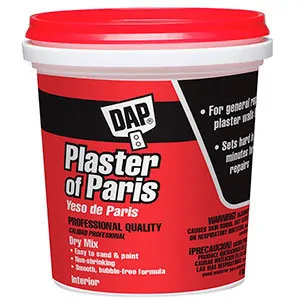 This recipe uses plaster of Paris, a white powder made from gypsum cement. It dries hard and is often used for molds and casts. When you mix it with something that’s enticing to the mice, they’ll ingest it, and when the plaster mixes with water in the mouse’s stomach, it will harden in their digestive tract and kill them. Common ingredients you can mix with plaster of Paris are peanut butter, sugar, or cornmeal. Mix into a dough and roll into balls, then leave in areas you think mice might be.
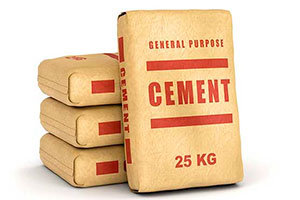 Similar to plaster of Paris, cement dries into hard concrete. Mix it into a recipe using desirable filler ingredients to attract the mice, then roll into balls. You can even coat them in finely crushed peanuts or chocolate to make it more tasty. Make sure the balls aren’t too big, or the mice might not be able to get their mouths into it enough.